Free shipping over $50 1-888-451-0363

Flip Pallot Schools Registration Opening on October 4

One doesn’t merely stumble upon an opportunity to learn fly fishing from legends. Mad River Outfitters proudly presents the Flip Pallot Fly Fishing Schools scheduled for January 26-28, 2024, and March 15-17, 2024. 

Flip Pallot, the epitome of fishing expertise, has charted waters from the Florida Keys to the world of television with the groundbreaking “Walker’s Cay Chronicles.” Partnering with him is Brian Flechsig, the founder of Mad River Outfitters, boasting over 30 years of saltwater angling experience. Their combined prowess guarantees not just lessons in fly fishing but tales, camaraderie, and memories that will last a lifetime.

An Exciting Weekend Awaits

The school kicks off with a warm meet-and-greet at Flip’s abode in Mims, Florida, setting the tone for a weekend of profound learning. 

Saturday’s sessions cover topics ranging from fly casting techniques to the intricate nuances of knots and leaders. The day culminates with an advanced fly casting clinic designed to transform good casters into excellent ones.


Sunday offers a blend of practical and theoretical approaches, with Flip conducting a unique “Fly Casting Final Exam,” ensuring participants hone their skills and continue on a trajectory of improvement.

Cherished Memories and Skills to Boot

The experience is not just about casting and catching. From lunches grilled by the masters themselves to group discussions and a special seminar titled “Now What”, every moment is curated to ensure participants leave with a treasure trove of knowledge. 

The weekend promises an enriching combination of learning from the best and enjoying the jovial company of fellow enthusiasts. And if that’s not enough, each participant will take home a video keepsake – a personalized casting coaching session with Flip.


Join us for an Unforgettable Time

Mims, a picturesque location 45 miles east of Orlando, is all set to host this grand event. With everything from materials for the Knots and Leaders Class to lunches on both days included in the package, all that’s left for participants is to arrive with an eager spirit.

 And for those itching to put their new skills to the test, Flip and Brian are more than willing to recommend some of the finest local guides. In Flip’s words, “Brian and I will transform you into better fly anglers… period. And… a ton of fun will be had along the way.” So, gear up for a weekend of expertise, fun, and memories. Any questions? Brian Flechsig is just a call away, always ready to assist.


Registration Opens October 4


Understanding the Fly Rod

Howdy Friends! I’m Brian Flechsig from Mad River Outfitters and the Midwest Fly Fishing School. If you’re just joining us on this fly fishing journey, welcome aboard! Today, we delve deeper into one of the most iconic elements of this sport: the fly rod.

Brian Flechsig from Mad River Outfitters using a fly rod to fly fishing for musky

The Fly Rod: A Flexible Lever

While the fly rod may initially seem like the star of the show, it’s more of a supporting actor. Imagine it as a flexible lever that facilitates the act of casting. The real protagonist is the fly line itself. It’s what primarily gives life to the cast. The fly rod, however, aids in making the movement of this line more fluid and controlled.

Interestingly, with enough skill, one can cast the fly line even without a rod – although, take it from me, it’s a spectacle that’s less about finesse and more about comedy. And, once your fly lands on the water without a rod, you’ll find yourself in quite the predicament!


Deciphering Fly Rods & Lines

The selection of your first fly rod can seem overwhelming, but let’s simplify it:

Fly Line Weight: Fly lines are weighed in grains. The fly fishing industry uses these weights to categorize lines: from one weight (the lightest and thinnest) to 15 or 16wt (the heaviest and thickest).

Fly Rod Weight: Rods are also categorized by weight, and here’s the best part: it’s simple math! A one-weight fly rod is designed to cast a one-weight fly line. The same principle applies as you move up the scale.


What Does Each Weight Mean?:

1 to 3wt: Think of these as ultra-light. Perfect for trout fishing and casting dry flies. They also suit panfish.

4 to 6wt: This is where most beginners find their groove. Ideal for a range of activities, from trout fishing to light-duty bass fishing.

7 to 9wt: These are for the larger catches like salmon, steelhead, pike, and even some saltwater fish.

10 to 12wt: Perfect for muskie and larger saltwater species like redfish and tarpon.

13 to 16wt: This is the heavyweight division. We’re talking blue water fishing – think sailfish, marlin, and tuna.


For the majority of you, the 4 to 6 weight category will be your sweet spot as you embark on your fly fishing journey. Yet, the choice of rod doesn’t end at weight. Stay tuned for our next installment where we’ll discuss the length and action of the fly rod, which will further refine your understanding and help you make an informed selection.


Want to learn more and watch our entire series? Head over to our YouTube channel to experience the full scope of ‘Getting Started in Fly Fishing’. Don’t forget to subscribe for more insights and tips!

Watch the full series on our YouTube channel!


The Legendary Plantation Crab: A Must-Have for Every Fly Fisher

 The Legendary Plantation Crab: A Must-Have for Every Fly Fisher

The Mad River Outfitters Plantation Crab in the mouth of a beautiful redfish while fly fishing

There’s a certain magic when the surroundings inspire the creation of something truly special. 

Such was the birth of the Plantation Crab. Often, when anglers talk about their New Orleans Redfish Trips, one fly reigns supreme, and that’s the Plantation Crab. Dubbed the ‘#1 fly’ for such expeditions, its reputation is nothing short of legendary, not only for those aggressive redfish but also for the elusive permit, creating quite a buzz amongst fly fishing enthusiasts.

It has since become the ideal redfishing crab no matter where you’re fly fishing for redfish. It never fails and always produces for us.


Where the Plantation Crab Began

The year was 2012, and the sun was setting over the Woodland Plantation in South Louisiana. The soft glow of table lamps illuminated the passionate faces of Mad River Outfitters Brian Flechsig and his team, engrossed in their art of fly tying. As the cool evening breeze whistled a gentle tune, Brian crafted a unique “version” of what we now know and love as the Plantation Crab. It wasn’t long before its success echoed through the marshes of Louisiana, making it a top-seller, not just for eager anglers but also for Louisiana Guides who swear by its effectiveness.


Brian Flechsig from Mad River Outfitters catching a giant redfish in Louisiana on the Plantation Crab fly

At its core, the Plantation Crab is not just a fly; it’s a testament to quality and durability. Meticulously tied on a Gamakatsu 1/0 hook, it ensures every fight with those monstrous bull reds and hefty permit remains in the angler’s favor. For those who like to fine-tune their gear, the fly is available with lead eyes, a popular choice among many. But if bead chain eyes are your thing, Mad River Outfitters has got you covered there too.

So, if you’re gearing up for your next fishing adventure, why not equip yourself with the best? The Plantation Crab promises not only to enhance your fly collection but also to be that secret weapon you’ve been searching for. Dive into the legacy of this magnificent fly. Visit our website now and grab a few Plantation Crabs for your tackle box. After all, legends aren’t born; they’re fished!

Simplfy Fly Fishing and Embracing the Basics

Common Misconceptions

Fly fishing, like any other sport, is often shrouded in myths and misconceptions that might deter a newbie. Let’s clear the muddy waters:

Fly Fishing is Hard: This couldn’t be further from the truth! If a motley crew like us at Mad River Outfitters can get the hang of it, so can you. Even Lefty Kreh, considered the godfather of modern-day fly fishing, asserted that fly fishing is the easiest form of fishing to introduce to a child. More on this in our subsequent episodes.


Fly fishing is a great sport for beginner anglers

It’s Too Expensive: Thinking about emptying your pockets? Think again. Fly fishing needn’t burn a hole in your wallet. Navigate away from those pricey catalogs, and stay tuned for tips on starting with minimal investment.

It’s Just for Trout: If this were a fish tale, it’d be a whopper. Fly fishing isn’t restricted to trout. If it’s got fins and swims, a fly rod can catch it. Stay with us, and we’ll dive deep into this.


Fly fishing isn't just for trout, here's a photo of Brian Flechsig and Blane Chocklett catching redfish on the fly

The 6 Basic Elements to Begin Your Fly Fishing Adventure

To make things less daunting, here are the six essential components to kickstart your journey:

Fly Rod: The heart and soul of the sport. Indispensable!

Fly Reel: Your trusty sidekick. We’ll simplify this for you in our next episodes.

Fly Line System: Comprising three parts – the backing, the fly line, and the leader (the bridge between your fly line and the fly).

Flies: These little lures are the main attraction. Watch out for our detailed episode on this.

Accessories: Just a few basics to streamline the experience. We’ve got a no-frills list coming up.

Water (preferably with Fish!): Last, but by no means least. After all, what’s fishing without water and our finned friends?


Now that we’ve cast the first line, join us in the coming weeks as we delve deeper, demystifying each component. We’re excited to guide you through the serene and thrilling world of fly fishing.


In the meantime, dip your toes into our YouTube channel, and ensure you’re subscribed. Dive deeper into the world of fly fishing by watching the complete beginner series on our YouTube channel.

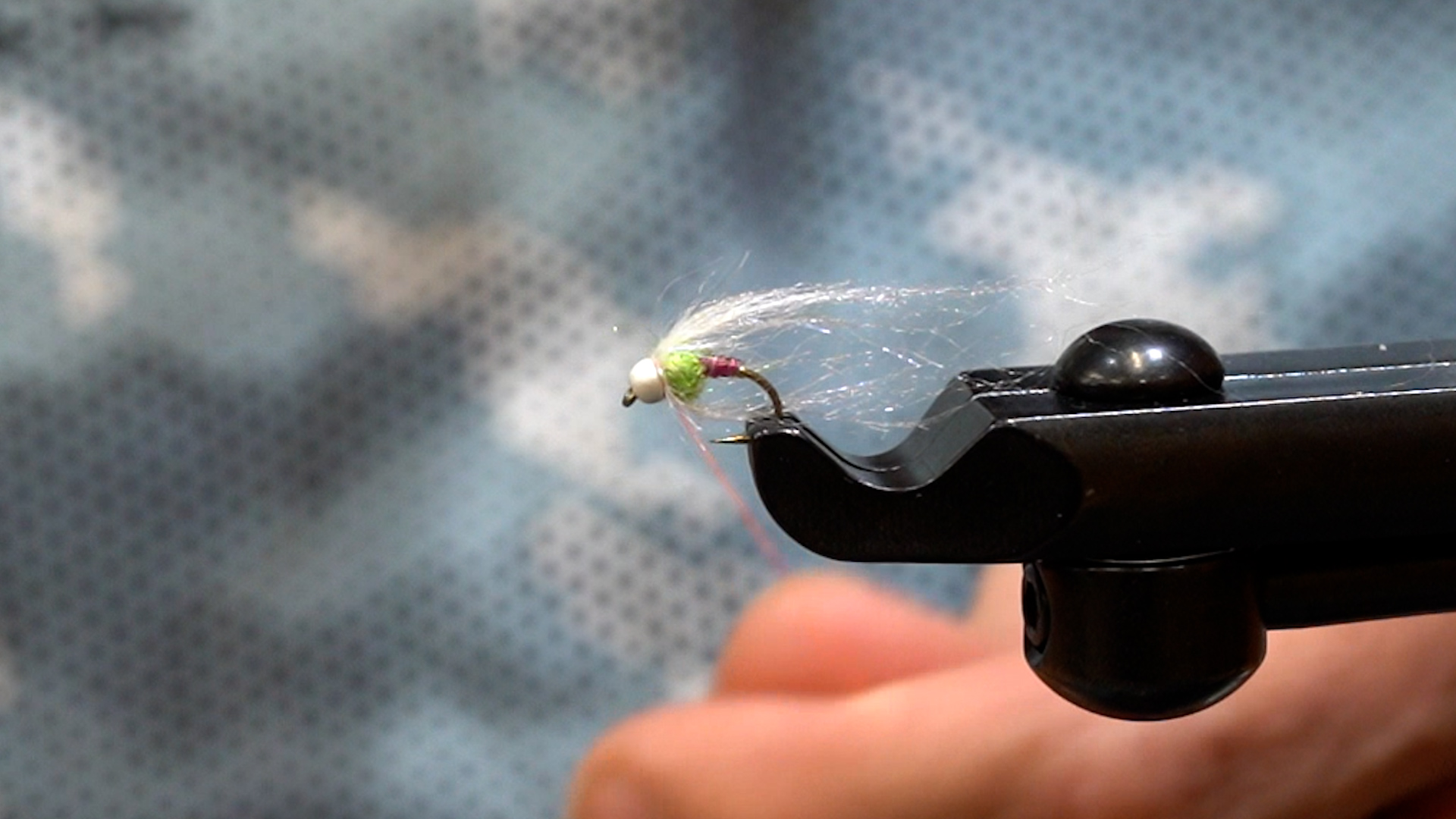
Friday Flies: Simple Tube Fly by Ryan Ratliff

Maybe it is because I am getting older, maybe it’s because I prefer simplicity, or maybe it is because I like to be different…whatever the reason, I really love swinging a fly.  It might not be the best technique for every situation but I try to swing as much as possible. Lately when late Summer rolls around there have been few fishing situations that come up. Low clear water means crawfish and small streamers. From Smallmouth to Carp to Buffalo to Rock Bass a small pattern slowly crawled/swung along the bottom will bring success. Sight fishing to spooky fish in low clear water is a challenge though. Swinging allows for a stealthy approach at a distance and is easy to detect strikes.  This technique does not require a tube fly, but the versatility of changing hook styles is a huge benefit. 
The end of Summer also brings thoughts of Fall steelhead and trout fishing. Water levels have also been very low and clear into the Fall on the cold water streams. Brown Trout are looking to move towards spawning areas and small sculpin and crawfish are a threat to a Redd. The Steelhead are aggressive after spending all Summer chasing baitfish in the lake and that aggression often carries over into the streams. Just like the warmwater fish, the Trout and Steelhead can become very spooky in the clear water. Swinging a small baitfish close to the bottom well downstream can be the best approach.  
With the popularity of smaller and lighter weight spey rods it is now easier to fish many different size waterways.  Tube flies are often associated with just swinging though. A small tube fly can be stripped as long as you balance the weight of the hook with the action you want out of the fly. No matter what method you like to fish, take a look at the versatility of adding tube flies to your fly box! 
Step 1: Cut a short piece of Ultra Tubing roughly a 3rd of a stick. Cut a wedge an the end of the tube (so that the junction tubing will fit on easily).
Step 2: Start your thread at the halfway mark on the tube.  Place a small amount of glue over the thread.
Step 3: Add a short piece of rabbit strip and lash down right on the thread wraps.
Step 4: Prep a schlappen feather by holding at the tip and folding/stroking down the fibers. Trim off the tip and tie in the feather at that point.
Step 5: Palmer the schlappen feather with tight side by side wraps.
Step 6: Add a small amount of glue or UV Resin to the base of the feather and slightly up on the fibers.  Using a bodkin is a great choice to control where the glue is applied.  This will help keep the fibers rigid and not lay down flat along the body.
Step 7: Form a dubbing loop and place the rabbit strip in the loop. With long scissors cut the fur off of the hide.  Using the Loon D-Loop tweezers helps to make this much easier. Hold open the dubbing loop with a dubbing spinner tool. I am using the Smhaen dubbing spinner here. Carefully place the rabbit fur in the loop and spin.  
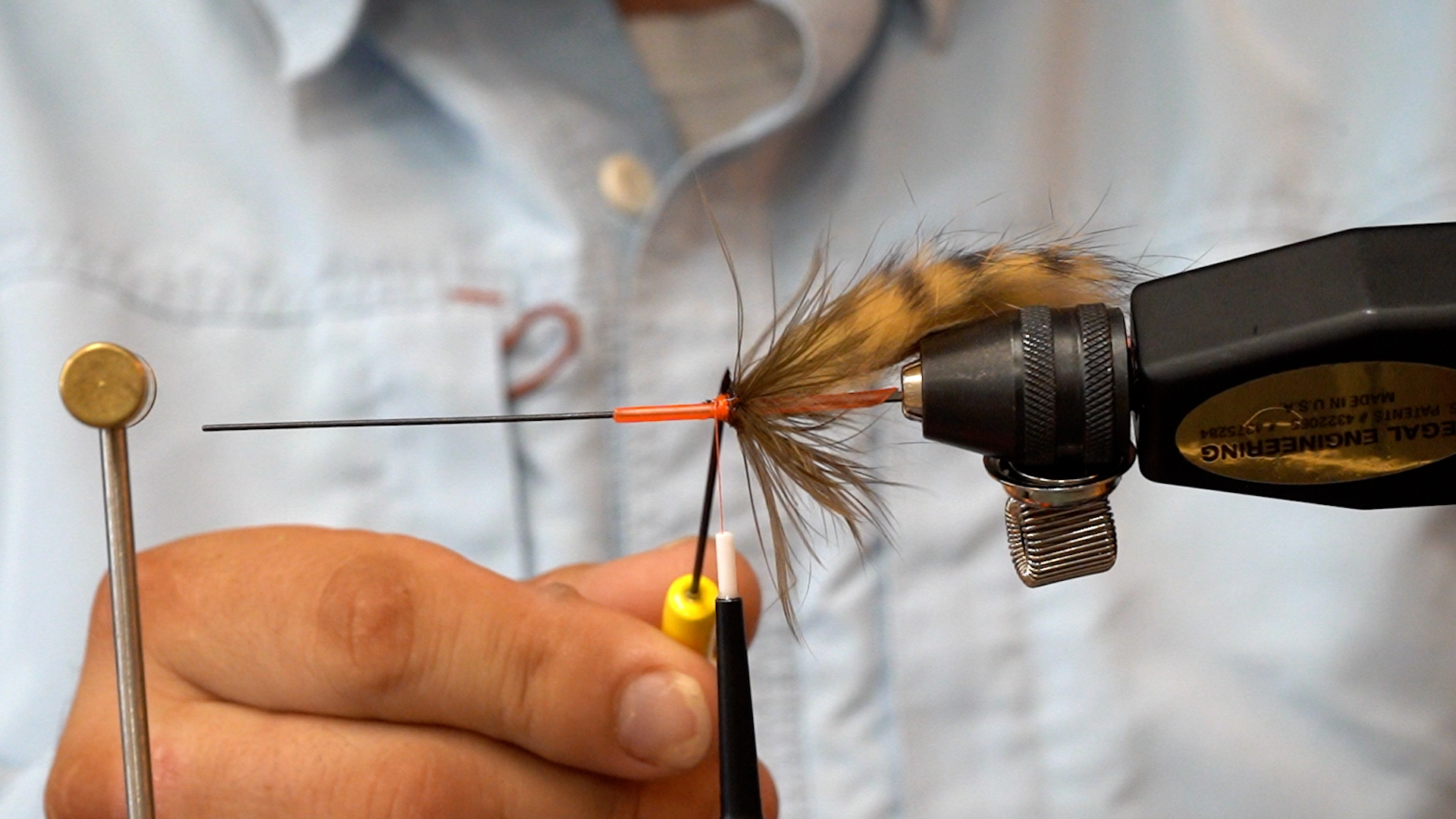
Step 8: Palmer the dubbing loop forward tightly. Tie off and trim the loop. Paint the front base of the fur with UV resin. Before you cure the resin, make sure the fur is evenly perpendicular around the tube. This will help create a good collar around the tube.  
Step 9: Whip finish/half hitch if desired (the resin will glue the thread down)
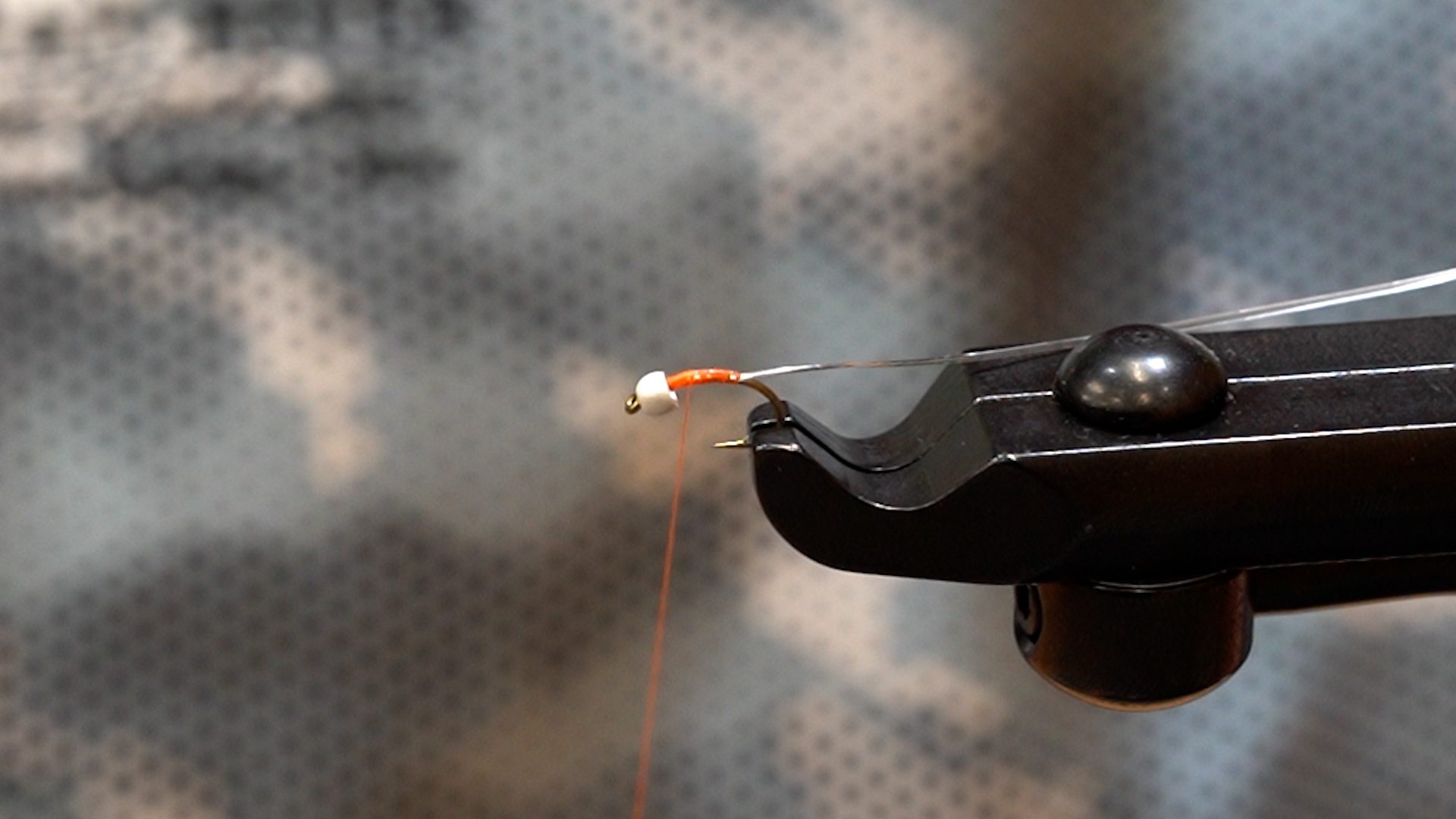
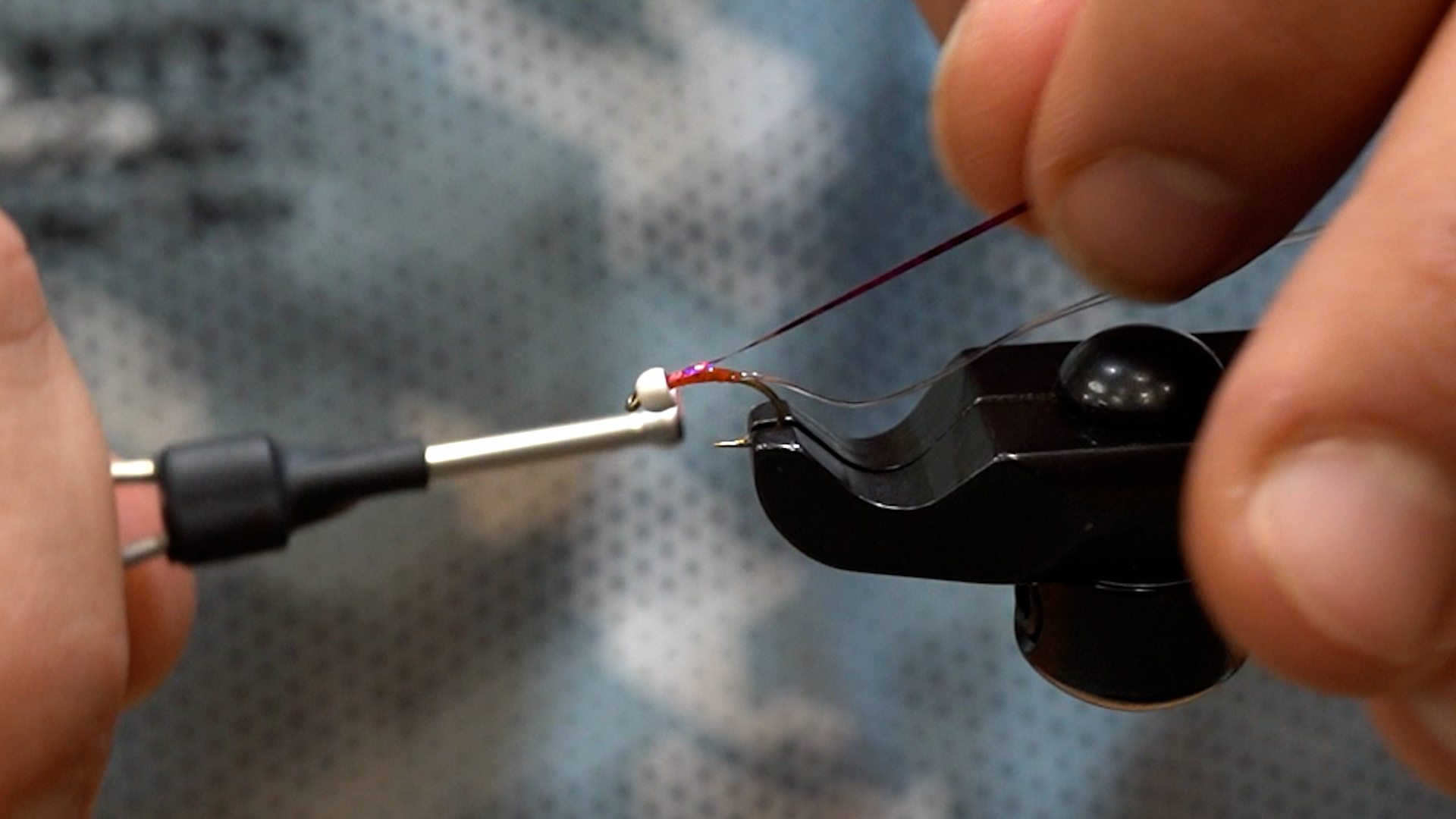
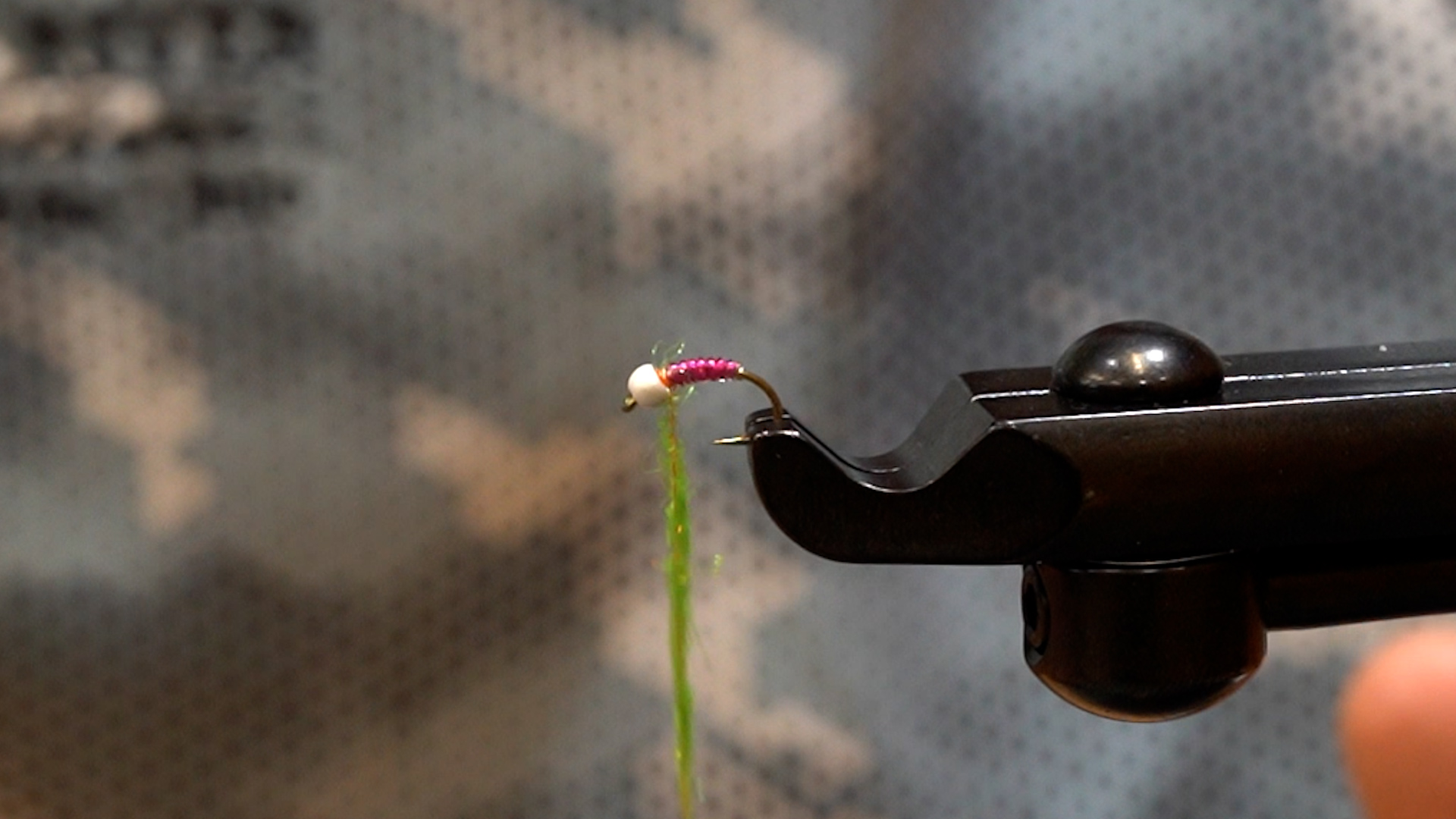
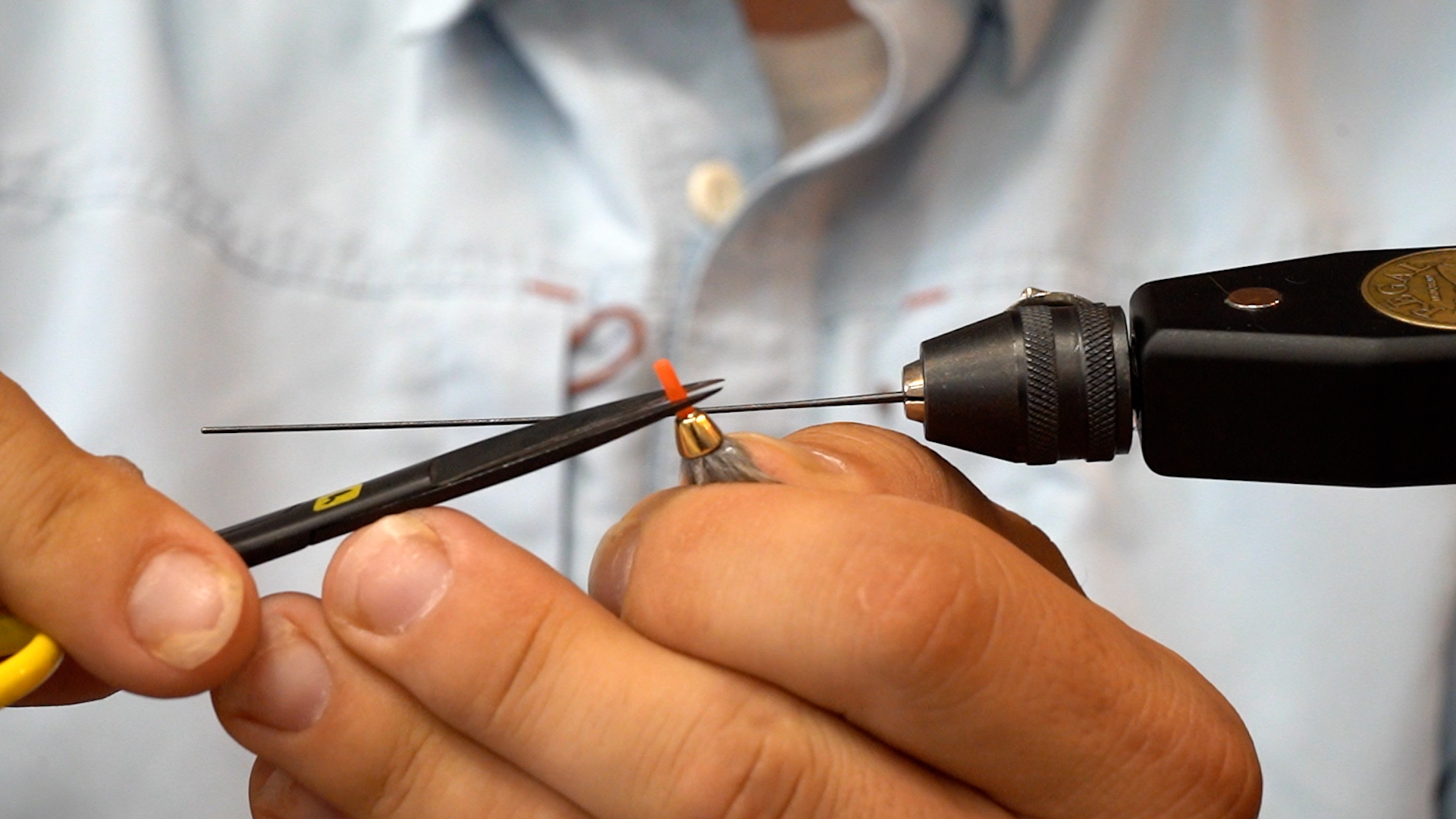
Step 10: Slide a medium sized conehead of the desired color onto the tube. Trim the end of the tubing to just slightly past the cone.  

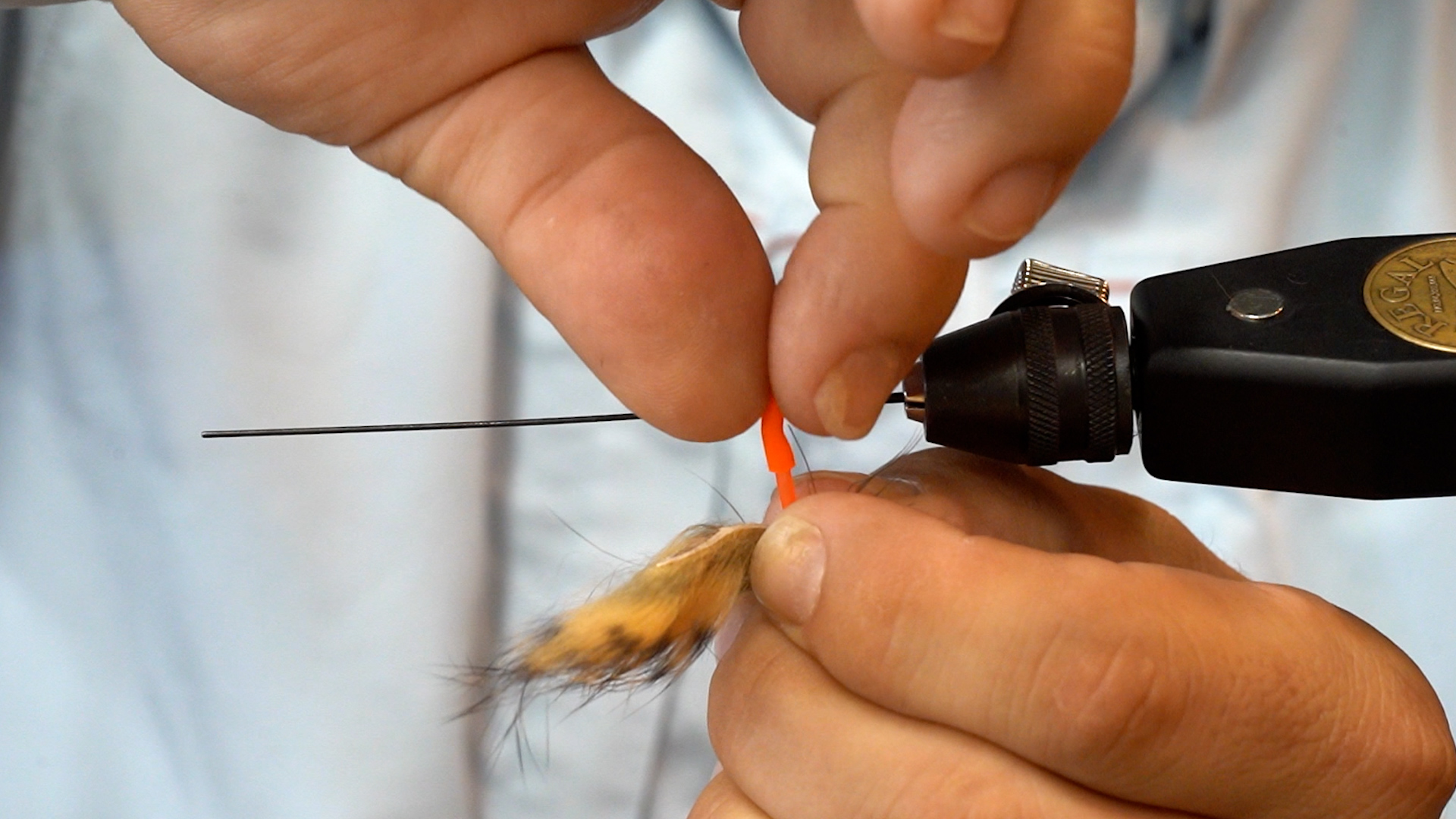
Step 11: Pull the fly off of the tapered needle and add a small section of Aqua Tubing to the back of the tube with the angled cut. The easiest way to do this is by twisting the tubing as you push it on the tube.  
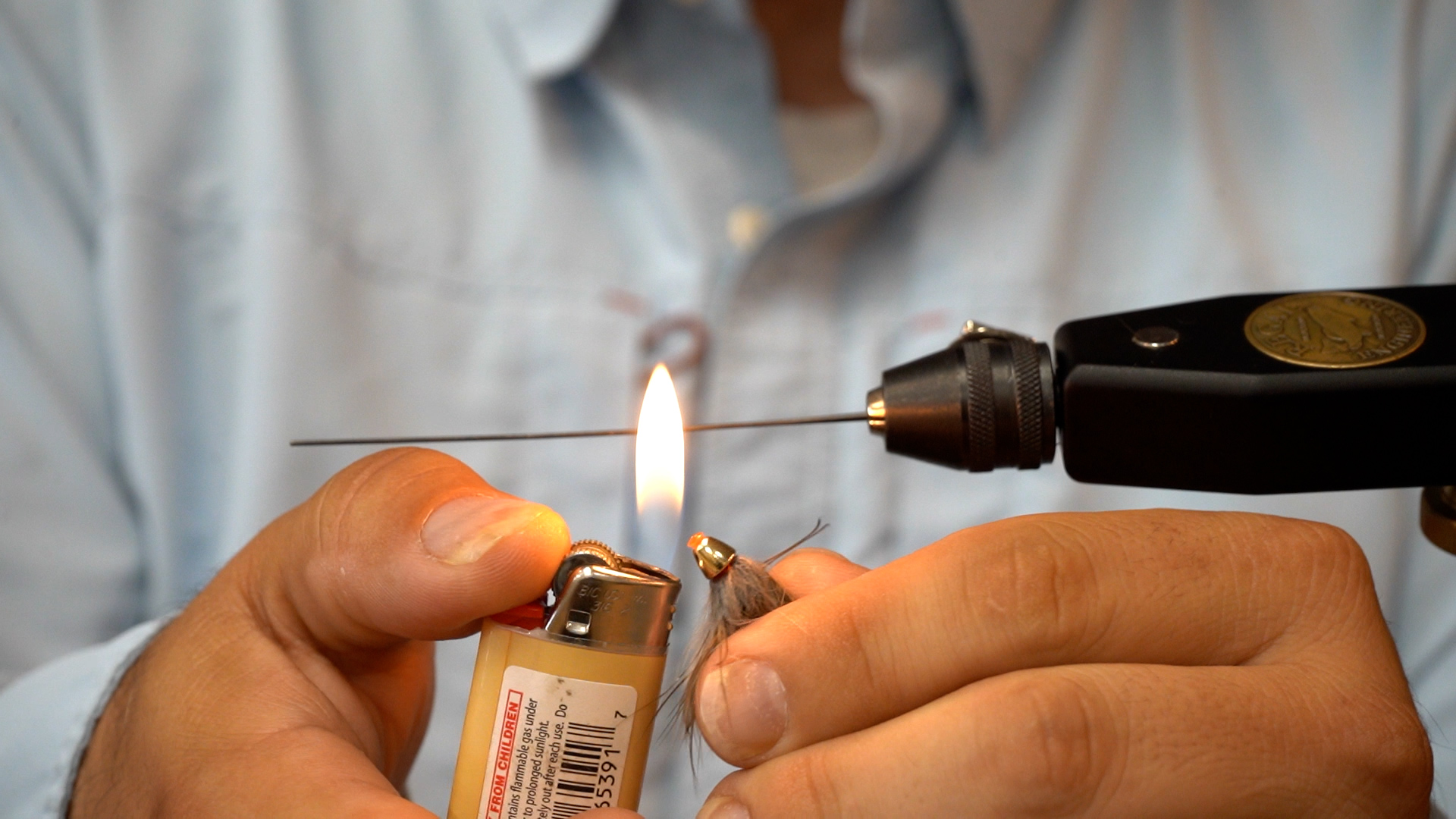
Step 12: Using a lighter, heat up the end of the tube (by the cone) with the blue section of the flame. Spin it as you heat it carefully. This will create a mushroom shape in the tube to hold the cone onto the tube.  
Here I have chosen a fl. orange tube as a hotspot, but feel free to change colors of any of these materials to match your specific baitfish or crayfish. To rig up this fly simply slide your tippet through the tube and tie to a #4-6 Aqua Talon hook. Next tighten the tippet to pull the hook eye into the flexible junction tubing. You can fish this hook point up or down depending on your situation.
Recipe:
Tail: Black Barred Rabbit Strips (Gold Variant)
Collar 1: Fish Hunter Select Schlappen (Galloup’s Brown Olive)
Collar 2: Magnum Rabbit Strips Grizzly (Natural) Use fur in a dubbing loop
Head: Coneheads (color of your choice, sizes med or large)
Junction Tubing: Aqua Tubing
Hook: Aqua Talon #4-#6

Let’s Talk Choosing the Right Fly Rod

Let’s talk about the basics of fly rods. When it comes to the weight of a fly rod, simple math prevails. A 4wt fly line is tailored for a 4wt fly rod. Similarly, a 5wt fly rod pairs with a 5wt fly line. Most novices, whether an average Joe or Jane, will begin their fly fishing journey with a 4, 5, or 6wtt fly rod.

The next crucial factor? The length of your fly rod.

Why Length Matters

Choosing the right rod length might seem daunting, but it’s relatively straightforward. As both novices and veterans will find, most fly rods fall between eight and a half to nine feet in length. This range has become an industry standard because it strikes a balance – ensuring the rod isn’t tip-heavy, offering optimum leverage for casting, and providing ample reach to control your fly and leader upon the water.

In simpler terms, the fly rod serves as a flexible lever. And as physics has taught us, the longer the lever, the easier the task. An eight and a half to nine-foot rod will feel perfect in your hand, making it the ideal starting point for newcomers.

However, while these are the standard lengths, specialty rods do exist. These can be shorter or longer based on specific needs, but as beginners, it’s advisable to stick to the standard.


Brian Flechsig from Mad River Outfitters explaining the differences between fly rods

Tailoring Your Choice

Your fly rod should align with your primary fishing goals:

For Trout Enthusiasts: If trout fishing is your sole focus, an eight and a half foot, 4wt fly rod is your go-to. This versatile choice allows you to throw small streamers, nymphs, and dry flies with precision.

For Diverse Anglers: If you’re drawn to smallmouth fishing, carp, or even the local farm pond largemouth, the 9’ 5wt fly rod is recommended. It’s no surprise that this rod is an industry favorite, given its adaptability.

For Bass Lovers: Those with an undying passion for bass – both smallmouth and largemouth – a 9’ 6wt rod is your best bet.


Mad River Outfitters student trying out a fly fishing rod for the first time

Choosing the right fly rod is a blend of understanding weight and length, ensuring you get the most out of your fly fishing experiences. As you embark on this journey, remember: start with a rod that’s eight and a half to nine feet in length, and cater to a weight (four, five, or six) based on your primary fishing targets.

Lastly, don’t miss out on our full series! Head over to the Mad River Outfitters YouTube channel and hit that subscribe button to get notified of our latest episodes and explore the mesmerizing world of fly fishing.

Mad River Outfitters Guide to Fly Floatants

Fly fishers know that the key to getting that perfect cast and hook lies in the little details. One such crucial detail is ensuring your dry fly remains afloat, looking enticing enough for the fish to bite. Thanks to fly floatants, we can achieve this with ease. Here’s a breakdown of the different types of fly floatants and their benefits.

Types of Fly Floatants

Liquid Floatants

Fly Agra: Definitely one of the best out there. Perfect for pre-treatment, this floatant guarantees long hours of floating, even in rough waters. And with a humorous warning of a fly staying up for more than 4 hours, you know you’re in for a treat!

High N Dry Liquid Floatant: A top-notch product designed especially for those who prefer dipping their fly into a container. The liquid ensures a quick application, providing a moisture-resistant barrier. Perfect for floating large Stimulators and Hoppers tied with foam. What sets this apart is its eco-friendly formula. 


Brian Flechsig from Mad River Outfitters explaining what Fly Floatants are


Gel Floatants:

High N Dry Gel Floatant: For fly-fishers who prefer dressing their flies manually, this gel floatant is ideal. Especially effective on CDC materials, it’s environmentally friendly and provides optimal performance. This gel floatant is simply the best you’ll ever use!

Gink: A classic that sets the bar high. Perfect for flies, leaders, tippets, and fly lines, Gink ensures they all remain afloat. Especially useful for braided and furled leaders, Gink remains our best-selling floatant.

Powdered Floatant and Desiccant:

High N Dry Powdered Floatant and Desiccant: Perfect for reviving drowned flies, it complements both gel and liquid floatants. Its shake and dry mechanism, coupled with blue indicator crystals, ensures that you always know when it’s time for a change. Retailing at just $9.99 for a 2.5 oz. container, it offers unmatched value.

Loon Top Ride Floatant: Loon Top Ride fly floatant is known as “Shake and Bake” by world class guides, this desiccant (drying agent) and powder floatant is fast and easy to use. A fly (still attached to the leader) goes in wet, and a few shakes later comes out dry and coated with a powder floatant.

Loon Easy Dry Fly Floatant: Another fantastic product for reviving flies. The unique feature is its blue indicator beads that turn pink, letting you know when it’s time for a new bottle. An easy-to-use shake application ensures your fly is ready for floatant in no time.

No matter your floatant preference, Mad River Outfitters has got you covered. Ensure every cast counts by picking up some fly floatant today. Swing by or check out our online collection to make your choice. Happy fishing!

Fly Rod Action, Why It’s Important

 Today, let’s demystify the most puzzling aspect of choosing your first fly rod – its action.

On our YouTube Channel, we’ve examined the fly rod’s weight and length. But when it comes to the action of the rod, the waters get murky. But don’t worry! We’ll navigate you through this and help you make an informed choice.

Fly Rod Action – What Is It?

Simply put, the ‘action‘ of a fly rod defines where and how it bends. And here’s where the confusion creeps in… Different companies and even individuals have their own interpretations of what action means.


Brian Flechsig fly casting on a boat while discussing fly rod action

Let’s break down Fly Rods as simply as possible

Full Flex (Slow Action Rod): The rod bends significantly, almost down to the butt or the thickest part. It’s for a relaxed, easygoing casting – think of a warm June evening when mayflies are hatching and you need that delicate presentation.

Mid Flex (Medium Action Rod): The rod bends about halfway down. A kind of middle ground between slow and fast actions.

Tip Flex (Fast Action Rod): The rod remains relatively stiff, bending only at the tip. Perfect for those high-pressure situations, like when you’re in the Bahamas trying to quickly cast at a bonefish!


Brian Flechsig discusses Fly Rod Action with Mad River Outfitterd

But What Does It Mean For Fly Fishing Beginners?

Your ideal rod action will depend on two things:

The Fishing Scenario: Are you aiming for a relaxed, delicate fishing situation or a high-pressure, fast-paced one?

Your Casting Stroke and Personality: Yes, your personality can influence the action you’re most comfortable with. Whether you’re an easygoing angler, or someone with a quick, sharp casting style, there’s a rod out there that matches your rhythm.

Brian’s advice for beginners? Lean towards a medium to medium-fast action. It’s versatile, accommodating a range of casting styles, and most beginner kits come in this range. Super fast or super slow rods are more specialized and might not be ideal as your first purchase.

Seek guidance. Every individual’s needs are different, and a local fly shop or expert will ensure you select a fly rod that aligns with your aspirations and budget. And remember, at Mad River Outfitters, we’re here to assist. We’d love to be your local fly shop, guiding you every step of the way.


Thank you for reading! This journey of getting started in fly fishing has many more insights to offer. For a deeper dive into this and more, we strongly recommend you watch the full series on our YouTube channel. The visual representation will help you understand these concepts better, ensuring you’re well-prepared for your fly-fishing adventures.


Demystifying the Sport of Fly Fishing

Fly fishing, with its serene landscapes and seemingly intricate techniques, can seem like a sport shrouded in mystery. Glance at a bookshelf or browse online, and you’re likely to be overwhelmed with books, videos, and countless tutorials on the sport. But as the picturesque waves calm and the sun sets, one question emerges: How does one truly master the art of catching a fish with a fly rod?

Today, the Mad River Outfitters and Midwest Fly Fishing Schools team is here to reassure you that the enchanting world of fly fishing is not as daunting as it seems.

A legendary figure in the fly fishing world, the late Lefty Kreh, had a way with words, especially when it came to simplifying complex topics. Lefty once remarked, “Many people who are not really versed in the sport have either written about it or spoken about it. They’ve attempted to create a concept that this is a very difficult sport to master. That simply isn’t true.“

Now, if that doesn’t simplify things, let’s break it down further.


Fly Fishing: The Three Simple Steps

Understand the Gear: Before you venture into the waters, acquaint yourself with the basic equipment. Understand the rods, the reels, and the line. We’ve been guiding you through this as part of our series, ensuring you’re well-equipped for your first foray.

Deliver a Fly with Precision: Contrary to popular belief, casting a fly is as straightforward as it sounds. Think of it as “picking it up, putting it down, and pausing in between.” Lefty even believed that teaching a child to fly fish was easier than traditional methods, noting the simplicity compared to the challenges of using a child’s Barbie or Snoopy rod.

Mimic Nature: The final touch? Making your fly act like food. This is where the real art comes into play, using both your rod and hands to give the fly a lifelike motion.


Fly fishing, in essence, is about these three core steps. Equip yourself, cast your line, and imitate the movement of food.

Fly fishing doesn’t require a PhD in entomology nor does it demand intricate skills only a few possess. It’s an accessible sport, one that beckons with the promise of tranquility and the thrill of a catch.

So, before you let yourself be overwhelmed by all the information out there, remember it’s not as intricate as some make it out to be.

As always, thank you for diving into this journey with us. Don’t forget to subscribe to our YouTube channel for the complete “Getting Started in Fly Fishing” series and let the calming waters of fly fishing become a part of your life.


Understanding Fly Reels

 Howdy, fly anglers! Let’s talk about one of the most essential pieces of fly fishing kit: The fly reel.

What Does a Fly Reel Do?

The fly reel may not be the star player on your fly fishing team, but it’s still a critical component. 


Here’s what it does:

Stores Your Line: Your fly reel is where you keep your 80-foot fly line and usually at least 100 yards of backing.

Retrieves Line: Whether you’re winding up to go home or pulling in a big catch, the reel retrieves your line.

Provides Resistance: Known as ‘drag,’ the reel helps to slow down a fish when it tries to swim away.


Types of Fly Reels

How It’s Made: Cast vs. Machined

Cast Reels: These are typically made by pouring hot molten aluminum into a mold. They’re usually less expensive but may not withstand extreme conditions or high-stress situations.

Machined Reels: These are carved from a block of aerospace-grade aluminum. They’re more durable and better suited for high-stress fishing scenarios.


Types of Drag Systems

Click Drag: These reels offer minimal resistance and are generally fine for fishing smaller species like trout or bluegill.

Disc Drag: Most modern reels feature a disc drag system, offering adjustable, efficient resistance. They can be further classified based on the material used for the disc—plastic, cork, or carbon fiber.

The Buzz Around Arbor Size

Standard Arbor: These reels have a smaller ‘spindle’ around which the line is wound.

Large Arbor: These have a larger spindle, allowing you to retrieve the line more quickly. If you’re fishing for bigger, faster fish, a large arbor reel is beneficial.

Sealed vs. Non-Sealed Drags

Sealed Drag: The drag mechanism is entirely enclosed, making it impervious to water, sand, and grit.

Non-Sealed Drag: The drag mechanism is exposed, but it’s easy to clean and maintain.


What Reel Should You Choose?

As a beginner, here’s a simple guideline—get the best reel you can afford. Most of your entry-level reels will have plastic or Delrin disc drags, which are fine to start with. If you can afford better, go for cork or carbon fiber. Similarly, while a machined reel is more durable, a cast reel is perfectly acceptable for many types of fishing. Arbor size and whether the reel has a sealed drag system are less critical for beginners.


Remember, your choice of fly line, leader, and flies are far more crucial to your success on the water than the reel. However, understanding the role and types of reels can help you make a more informed decision.

Don’t forget to watch the full series on our YouTube channel to get comprehensive guidance on starting your fly fishing journey.